
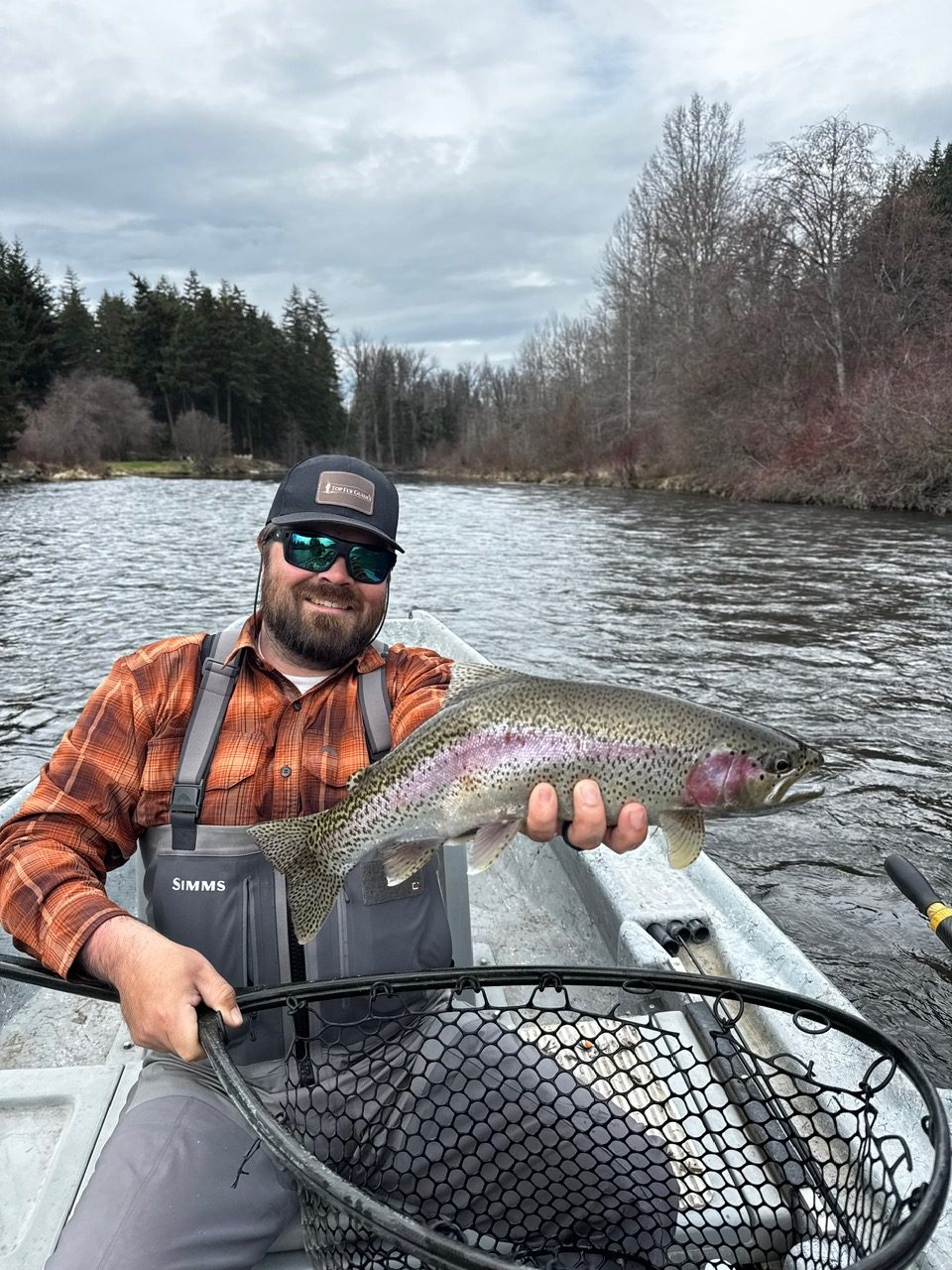
This Yakima River spring fishing guide focuses on helping anglers find success during one of the most dynamic times of the year. As winter transitions into spring, conditions change quickly. Therefore, understanding how to adapt is key to consistent fishing.
Early in the season, water temperatures remain cold. Because of this, trout often hold in slower, deeper water. Nymphing becomes the most effective method during these periods. In addition, fishing later in the day can improve your chances, since water temperatures rise slightly. As a result, fish become more active and willing to feed.
Skwala stoneflies mark the first major hatch of the spring. Consequently, anglers should start watching for surface activity as soon as conditions allow. In addition, Blue Winged Olives provide steady secondary hatches, especially on cloudy days. Therefore, carrying both nymphs and dry flies is essential this time of year.
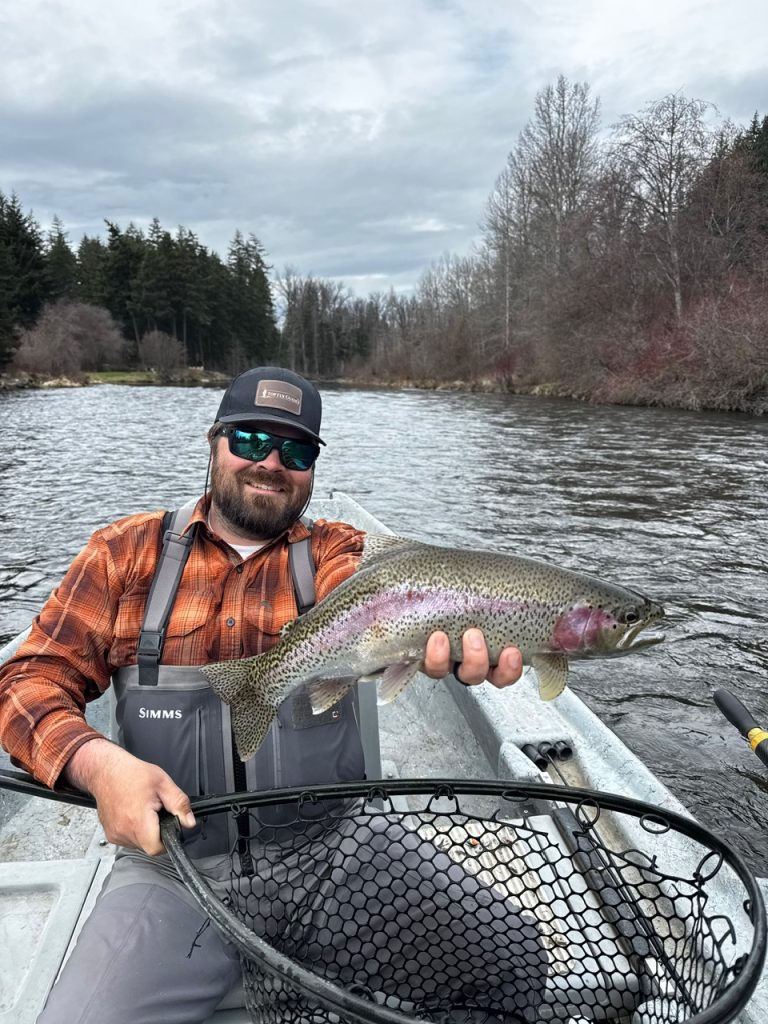
As the day warms, fish begin shifting their focus toward the surface. Because of this, transitioning from nymphing to dry fly fishing can be very effective. However, timing is critical, so paying attention to rising fish and insect activity makes a big difference. In many cases, the best dry fly windows occur in the afternoon.
River flows also play a major role in spring success. Since releases from upstream reservoirs can change frequently, checking flows before your trip is important. Furthermore, higher flows often push fish closer to softer edges and seams. As a result, targeting these areas can improve your success.
This Yakima River spring fishing guide focuses on adapting to changing conditions so you can catch more fish!
Presentation matters in every condition. With nymphing, focus on achieving a natural drift and proper depth. Meanwhile, dry fly fishing requires accurate casts and drag-free presentations. Because of this, small adjustments in technique can lead to better results.
Weather can influence fishing more than expected. Overcast days often extend hatch activity, while bright sun can shorten surface feeding windows. However, both conditions can produce fish if you adjust your approach. Therefore, staying flexible is one of the most valuable skills you can have.
Overall, this Yakima River spring fishing guide highlights the importance of timing, observation, and adaptability. By adjusting techniques, watching hatches, and reading the water, anglers can consistently find success throughout the spring season.
Learn more about our hatches here.
Buy your Washington fishing license here.